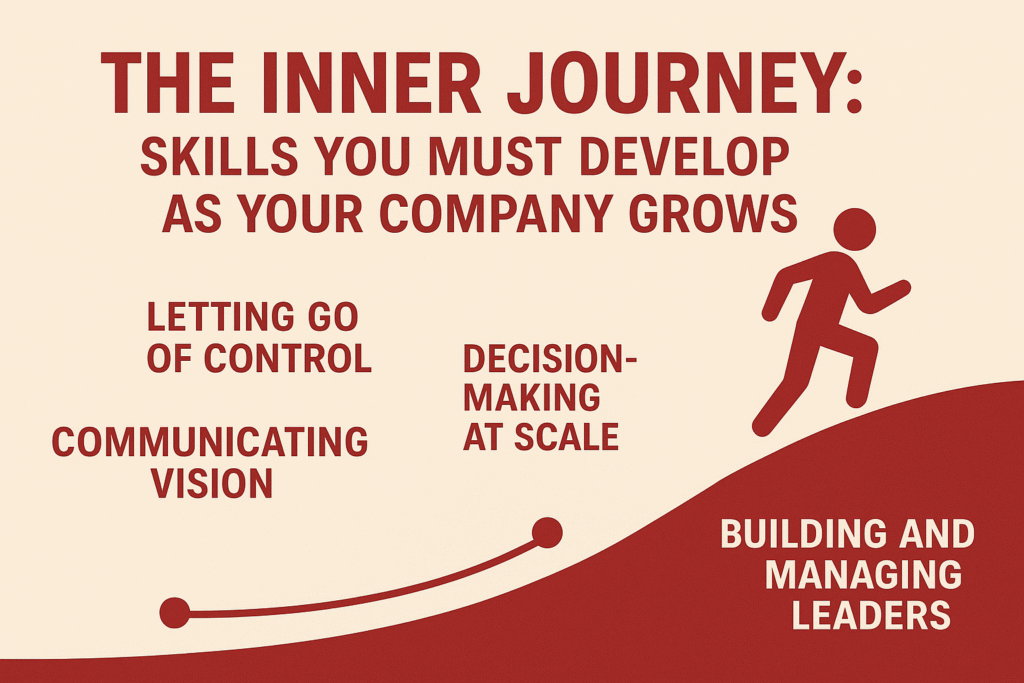
Understanding the Inner Journey
The concept of the inner journey plays a significant role in the personal and professional development of individuals, particularly in a corporate context. As a company grows, the complexity of its operations and the challenges it faces escalate, necessitating a deeper understanding of one’s inner landscape. The inner journey involves self-reflection, emotional intelligence, and mindfulness, all essential elements that enable leaders and team members to thrive amidst this complexity.
Self-awareness is a foundational aspect of the inner journey. It requires individuals to gain insights into their thoughts, feelings, and actions, enabling them to comprehend their strengths and weaknesses. This awareness is crucial for making informed decisions, fostering effective communication, and building meaningful relationships within the workplace. As employees become more aware of their inner selves, they are better equipped to align their actions with the company’s mission and values, thereby contributing positively to its growth.
Emotional intelligence complements self-awareness by allowing individuals to perceive and manage their emotions and those of others. In a growing company, the ability to empathize with colleagues and clients can facilitate collaboration and conflict resolution, which are vital for a harmonious work environment. By cultivating emotional intelligence, leaders can inspire their teams, creating a culture where each member feels valued and motivated to perform at their best.
Mindfulness further enhances the inner journey by promoting presence and focus. In a fast-paced corporate landscape, practicing mindfulness can help individuals stay grounded, reduce stress, and make thoughtful decisions. This skill allows team members to navigate challenges more effectively, ensuring that personal growth aligns with organizational growth. Therefore, nurturing these inner skills is not just beneficial but essential for anyone involved in a company’s evolution.
Developing Emotional Intelligence
Emotional intelligence (EI) has emerged as a vital skill in both personal development and organizational success. At its core, emotional intelligence refers to the ability to recognize, understand, and manage our own emotions, as well as empathize with the emotions of others. This multifaceted skill encompasses several critical components, including self-regulation, empathy, and social skills, each playing a significant role in fostering effective collaboration within teams.
Self-regulation is the capacity to control one’s emotional responses, enabling individuals to navigate stressful situations calmly and thoughtfully. This entails recognizing one’s triggers and employing strategies to mitigate impulsive reactions. By enhancing self-regulation, leaders can create a more balanced work atmosphere, where team members feel secure in expressing their opinions and viewpoints.
Empathy, another fundamental aspect of emotional intelligence, involves understanding and sharing the feelings of others. This skill is particularly important in addressing conflicts and facilitating constructive discussions. To cultivate empathy, actively engaging in listening and attentively observing non-verbal cues is essential. Each interaction provides an opportunity to connect with coworkers on a deeper level, fostering stronger interpersonal bonds and elevating team dynamics.
Finally, social skills encompass the ability to communicate effectively, inspire collaboration, and lead teams towards common goals. Enhancing social skills can be achieved through reflective practices, where individuals assess their interactions and seek feedback to improve communication techniques. Promoting a culture of open communication within the organization is vital; it encourages team members to voice concerns, share ideas, and ultimately contribute to improved decision-making processes.
By focusing on the development of emotional intelligence, organizations can witness significant enhancements in workplace interactions, employee satisfaction, and overall performance. Investing in EI training not only fosters a harmonious work environment but also paves the way for sustained growth and innovation.
Cultivating Resilience and Adaptability
In the dynamic landscape of business, resilience and adaptability emerge as critical skills for both leaders and employees as organizations navigate unforeseen challenges during growth. Resilience refers to the capacity to recover quickly from difficulties, while adaptability signifies the ability to adjust to changing conditions. Together, these traits ensure that individuals and teams can maintain motivation and productivity, even in the face of adversity.
The importance of cultivating resilience and adaptability cannot be overstated. As businesses expand, they inevitably encounter various obstacles, such as market fluctuations, shifts in consumer preferences, and operational hurdles. Those who possess resilience can bounce back from setbacks, maintaining a positive outlook and finding solutions to problems. Similarly, individuals with adaptability are better equipped to embrace new strategies, technologies, and processes that align with the evolving demands of their environment. By fostering these skills, companies can create a more agile workforce that is capable of thriving amidst uncertainty.
There are several practical techniques for enhancing resilience and adaptability in the workplace. One effective approach is to embrace change rather than resist it. Encouraging an open-minded culture where team members are willing to explore new ideas can empower individuals to view challenges as opportunities for growth. Additionally, managing stress effectively is crucial. Implementing mindfulness practices, such as meditation or deep-breathing exercises, can help individuals develop emotional regulation and maintain focus during trying times.
Furthermore, sustaining a growth mindset is essential for fostering resilience and adaptability. This mindset encourages individuals to view failures as valuable learning experiences that contribute to personal and professional development. By providing support and resources to cultivate these attributes, organizations can reinforce their team’s inner strength and prepare them for the intricate journey of growth.
Building Meaningful Relationships and Networks
As a company experiences growth, the significance of building meaningful relationships and networks becomes increasingly pronounced. Establishing strong professional connections is not merely a supplementary task; it is essential for both personal and organizational development. Effective communication is the cornerstone of these relationships, fostering an environment where trust can manifest. Trust is integral to collaboration within teams and across departments, as it encourages open dialogues and the sharing of ideas, ultimately leading to innovation.

To cultivate these vital connections, professionals should prioritize active participation within their networks. Attend industry events, workshops, and conferences where knowledge exchange occurs. These settings present invaluable opportunities to meet like-minded individuals and expand one’s network. Furthermore, consider the benefits of joining professional organizations that align with your field. Such associations enable members to share insights and experiences, reinforcing communal bonds that facilitate mutual growth.
Another effective strategy for nurturing relationships is seeking and providing feedback. Constructive criticism, when approached positively, can strengthen ties and improve team dynamics. Mentoring also plays a crucial role in relationship-building. By mentoring others, individuals can share their expertise while learning from the diverse perspectives of their mentees. This reciprocal process enhances both personal skills and professional networks.
Moreover, investing time in building relationships outside the immediate work environment enriches perspectives and leads to collaborative opportunities. Partnering with other businesses or engaging in community initiatives fosters new ideas and solutions, showcasing the transformative power of connections. As such, the cumulative effect of nurturing these relationships can significantly influence career advancement and contribute to the overall success of a growing company.